
Care Pathways
A connected continuum of addiction care — from medical detox through residential and outpatient programming — delivered at our 63-bed Woodside Road campus or via telehealth for the Peninsula residents who need it.
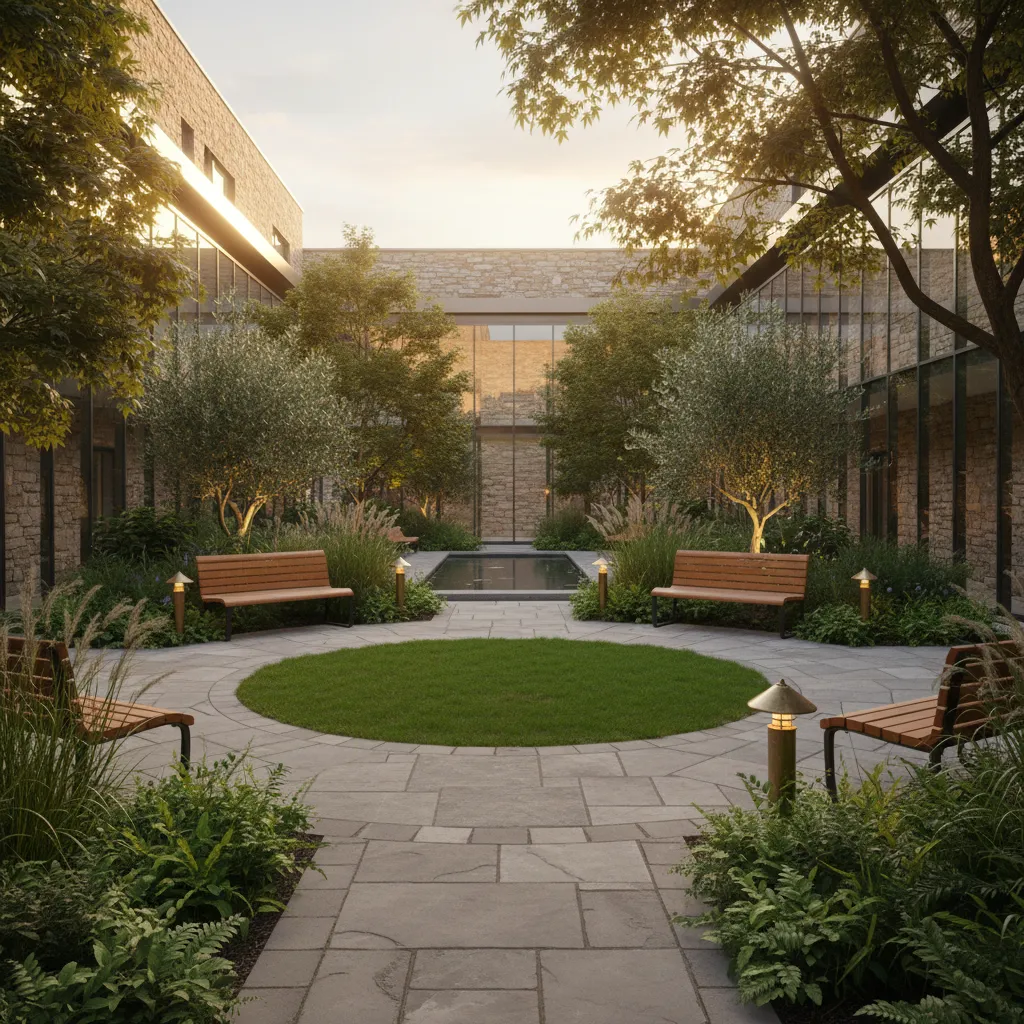
Medical Detox
Typically 3 to 7 days under 24-hour medical supervision. Our withdrawal management protocols were co-developed with Sequoia Hospital emergency medicine and are updated annually against ASAM clinical guidelines. Medication-assisted treatment is available when indicated — buprenorphine and naltrexone for opioid withdrawal, structured benzodiazepine tapers for alcohol or sedative dependence, and 24/7 vitals monitoring throughout. Residents can transition directly into residential without leaving the building.
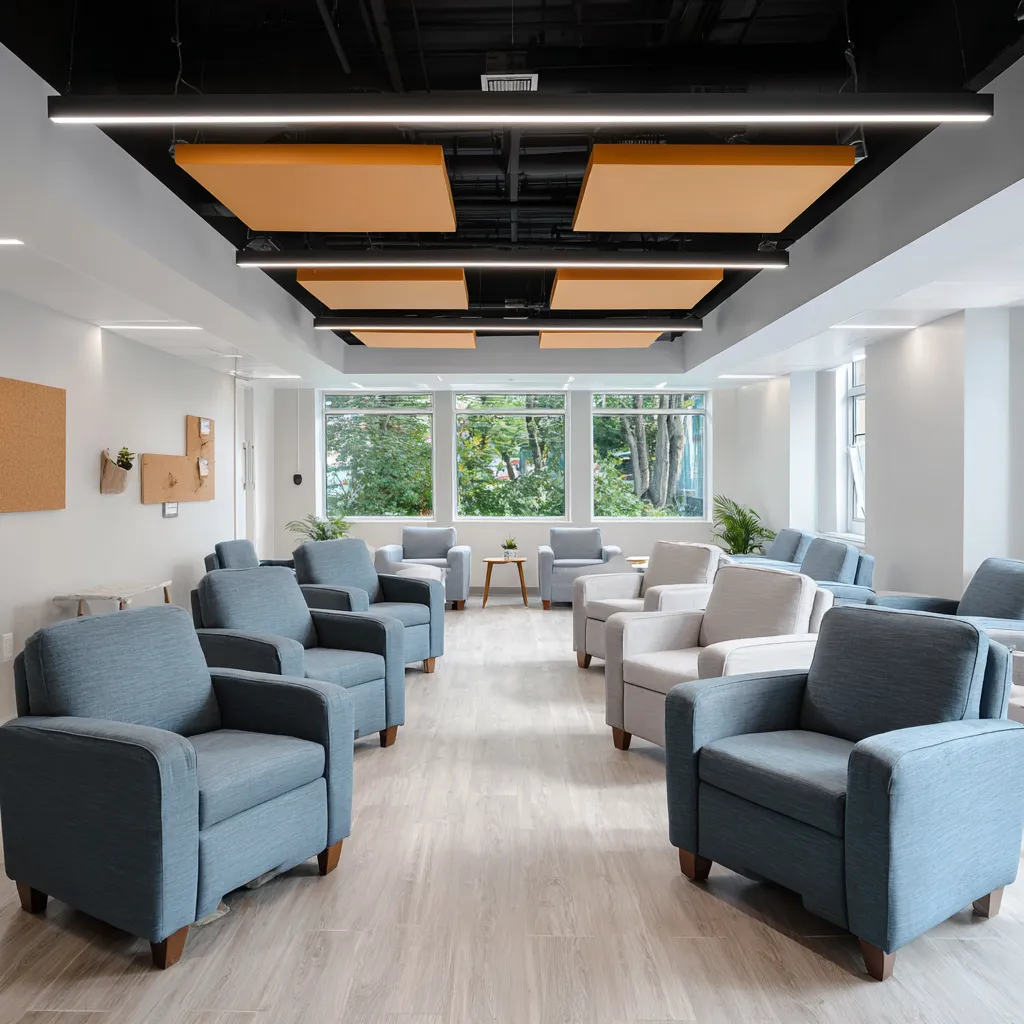
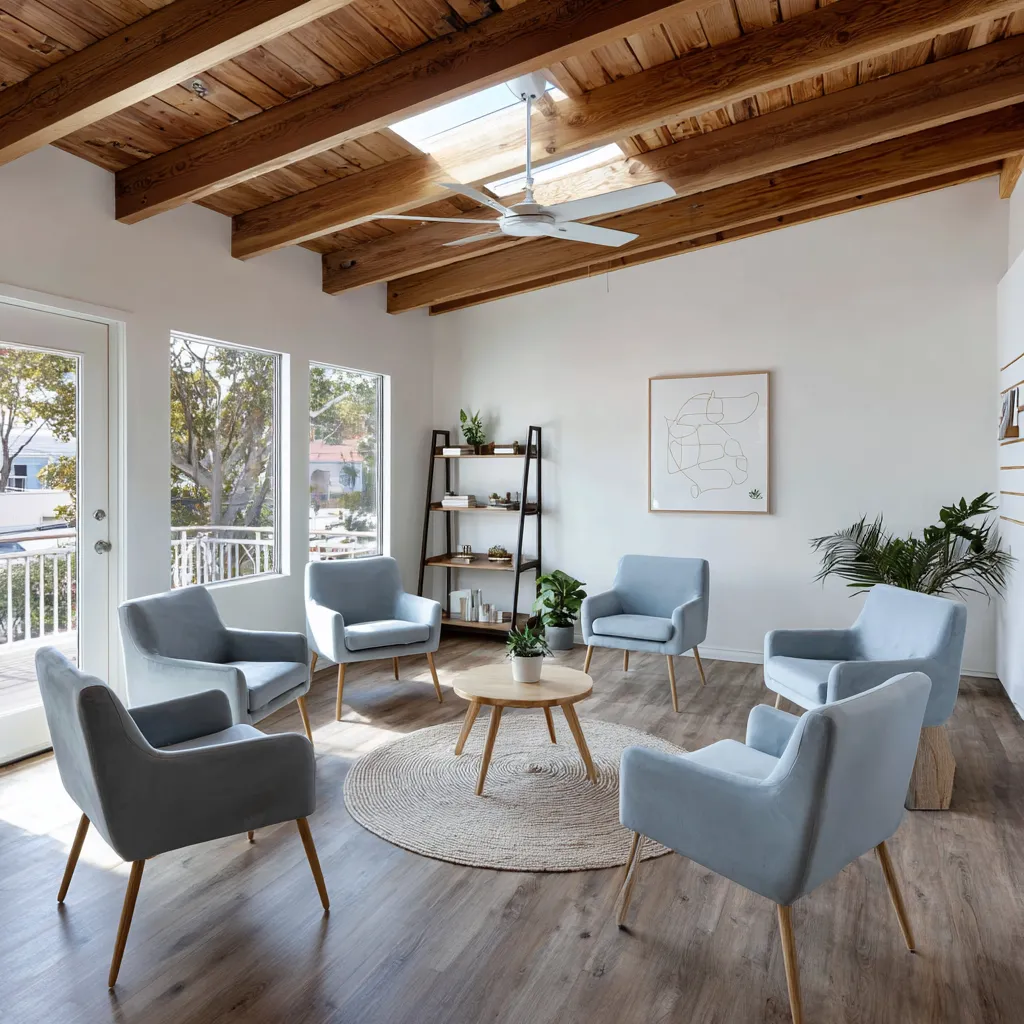
Residential Treatment
30 to 90 days in our 63-bed campus on Woodside Road. Days are structured around community meetings, individual therapy, family-systems sessions, group work, and peer mentorship pairings. Length of stay is matched to clinical need, not to insurance benefit caps — residents and clinical team revisit the plan every week, and 90 days is on the table whenever the data points there.
Outpatient Programs (PHP & IOP)
Partial hospitalization (PHP, 2 to 4 weeks at 5 to 6 hours daily) and intensive outpatient (IOP, 8 to 12 weeks at 9 to 12 hours weekly) let Peninsula residents continue work, school, or family responsibilities while in care. Morning, afternoon, and evening cohorts run year-round; telehealth IOP is available for residents commuting from Half Moon Bay, Pacifica, or East Palo Alto when traffic makes in-person attendance impractical.
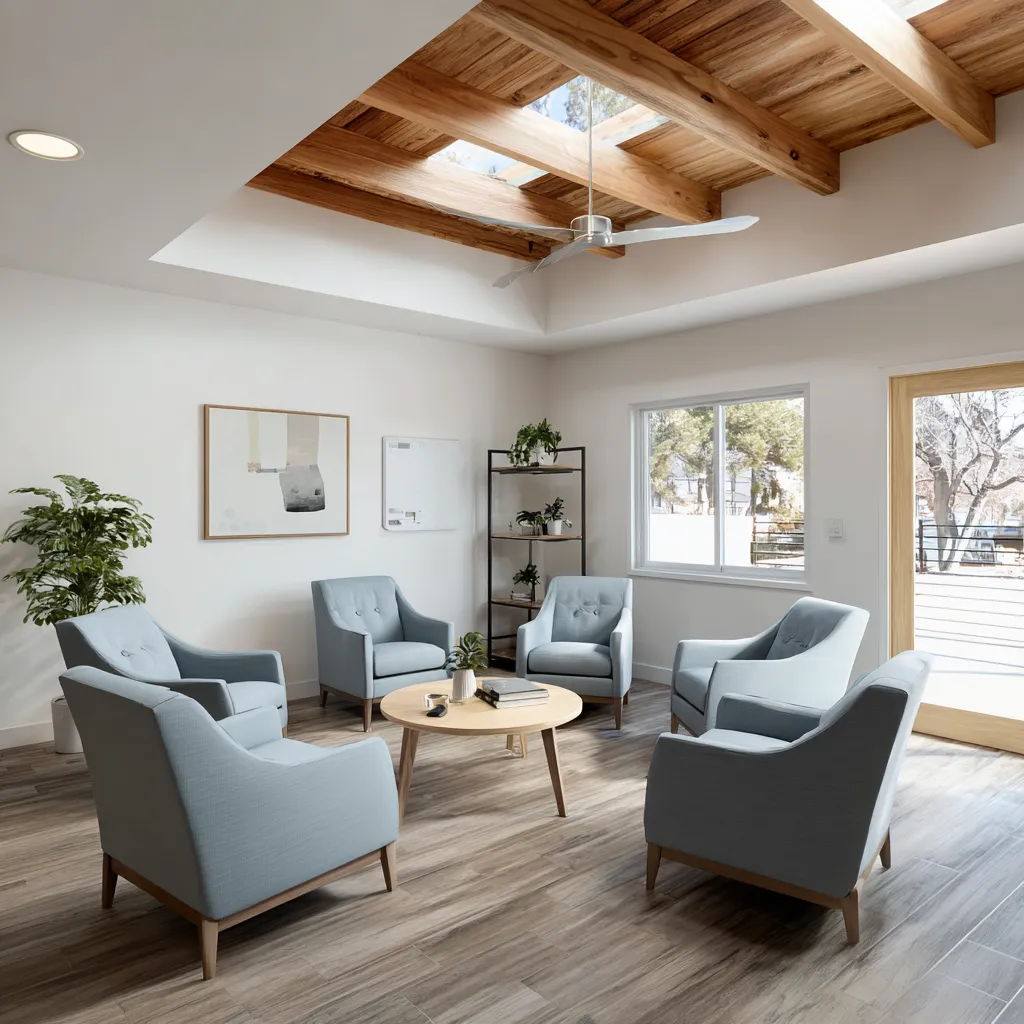
Dual Diagnosis
For residents whose substance use sits alongside PTSD, depression, anxiety disorders, bipolar conditions, grief reactions, or psychiatric medication histories that need re-evaluation. Treatment is integrated — a single psychiatric and clinical team treats both conditions together, with medication management, trauma-focused CBT, somatic experiencing, neurofeedback, and DBT skills layered into the residential or outpatient pathway you are on.
A Day in Residential
Days at WMT are paced around community meetings and peer mentorship — the structure most residents tell us they wish they had built into life on the outside.
- 7:00 AM — Morning community meeting and breakfast in the dining hall.
- 8:15 AM — Peer mentor pairing check-in (15 minutes, one-on-one).
- 9:00 AM — Individual therapy or family-systems session.
- 10:30 AM — Process group: trauma-focused CBT, DBT, or REBT depending on cohort.
- 12:00 PM — Lunch, walk on the campus grounds.
- 1:30 PM — Skills lab: relapse prevention, motivational interviewing, or mindfulness practice.
- 3:00 PM — 12-step facilitation group or SMART Recovery alternative.
- 4:30 PM — Open recreation: meditation room, yoga studio, or quiet reading.
- 6:00 PM — Dinner with peers and visiting alumni mentors.
- 7:30 PM — Evening house meeting — community concerns, gratitude round, next-day plan.
- 9:30 PM — Personal reflection, journaling, lights down by 10:30.
Treatment Modalities
- Cognitive Behavioral Therapy (CBT)
- Trauma-Focused CBT
- Motivational Interviewing (MI)
- Rational Emotive Behavior Therapy (REBT)
- Neurofeedback
- Somatic Experiencing
- 12-Step Facilitation
- SMART Recovery alternative track
- Individual and group therapy
Substances We Treat
- Alcohol
- Opioids (prescription & illicit)
- Heroin
- Benzodiazepines
- Methamphetamine
- Amphetamines
- Hallucinogens
- Inhalants
Amenities
- Equine Therapy Barn
- Massage Therapy Room
- Creative Arts Studio
- Farm-to-Table Kitchen
- Private & Semi-Private Rooms
- Library & Quiet Study
- Gourmet Meals
- Hiking Trails & Outdoor Space
Not Sure Which Pathway Is Right?
A 20-minute clinical phone assessment matches you to the level of care the data and your circumstances actually call for — not a one-size-fits-all package.